

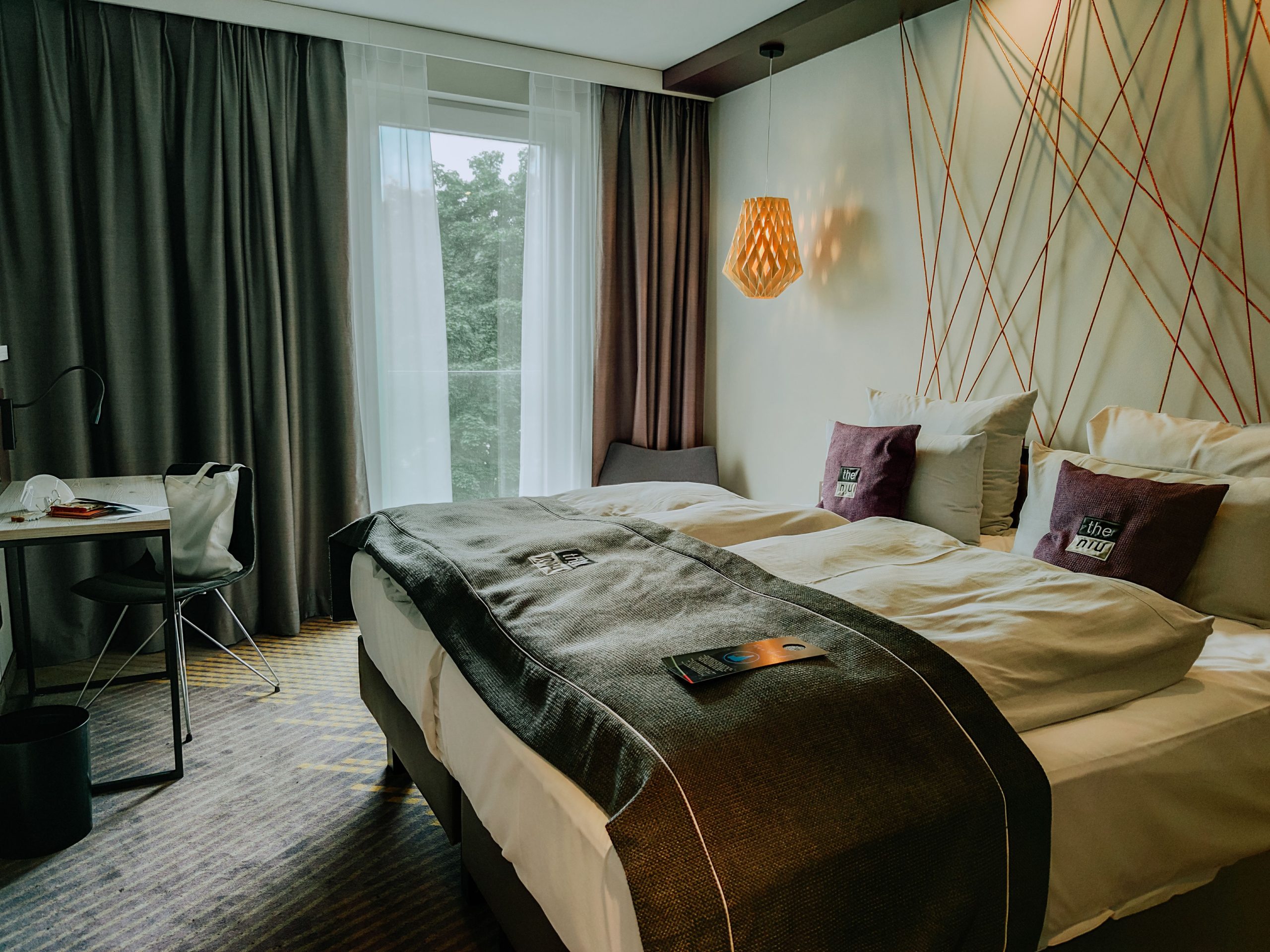
There is a quiet content problem sitting underneath a lot of hotel, guest house and self-catering marketing: you eventually run out of new ways to show the same room.
You can post the bed. You can post the bathroom. You can post the breakfast, pool, view, reception area and a few smiling arrival moments. Then what? If the content plan depends only on the physical property, the well dries up quickly. The audience also starts to recognise the pattern. Another room photo becomes background noise.
Key takeaways
- The room is important, but it is not a renewable content source.
- Travellers are usually researching the trip before they choose the bed.
- Accommodation content should move from “look at our facilities” to “let us help you plan a better stay”.
- The property becomes the lens, not always the subject.
The room is not the full story
A room photo helps a guest confirm quality and trust. It answers practical questions: is the place clean, comfortable, private, modern, safe and suitable for the trip? But once those questions are answered, repeating the same visual message does not add much more value.
This is where many properties get stuck. They keep trying to make the room carry the full weight of the marketing story. But guests do not wake up wanting a hotel room. They want a weekend away, a business trip that runs smoothly, a family break, a romantic escape, a wedding weekend, a wine route, a beach holiday, a conference base or a place close to something important.
The real content source is guest intent
The next step for accommodation providers is to build content around the reason people travel. That opens a much bigger and more renewable content pool.
- A guest house near a hospital can create content around medical travel, visiting family and practical local guidance.
- A lodge can write about seasonal wildlife, road trip planning, local restaurants and activities.
- A city hotel can cover events, business travel tips, parking, transport, restaurants and conference support.
- A self-catering unit can help guests plan longer stays, grocery stops, family-friendly activities and local safety tips.
None of that is “look at our room” content, but all of it attracts the person who is close to needing a room.
From property marketing to local usefulness
The strongest small accommodation brands can become local guides. That does not mean pretending to be a tourism board. It means answering the practical questions your ideal guest already has.
- What is happening nearby this weekend?
- Where can families eat after a long drive?
- What should business travellers know before arriving?
- Which local experiences are worth booking in advance?
- What does a realistic two-day itinerary look like?
This type of content helps search visibility, social media and guest confidence at the same time. It also gives the property something useful to send after an enquiry or booking confirmation.
A simple content shift
Instead of asking, “What can we post about our property this week?” ask, “What can we help our next guest understand this week?”
- Turn room features into guest outcomes: not “free Wi-Fi”, but “how to work remotely from our town for a week”.
- Turn location into trip planning: not “close to the wine route”, but “a relaxed Saturday wine route plan from our doorstep”.
- Turn facilities into moments: not “pool available”, but “what a slow summer afternoon here can look like”.
- Turn policies into reassurance: not “secure parking”, but “what to know when arriving late at night”.
Common mistakes accommodation providers make
- Posting only inventory: rooms, rates and amenities without context.
- Copying OTA language: generic descriptions that could belong to any property.
- Ignoring local search intent: missing the questions people ask before booking.
- Treating social media as a gallery: rather than a planning and trust-building channel.
Frequently asked questions
Should hotels still post room and facility photos?
Yes. Guests still need visual proof. The problem is relying on those photos as the entire content strategy.
What content should a guest house create first?
Start with practical local questions: what to do nearby, where to eat, who the property is best suited for and what guests should know before arrival.
Does this help direct bookings?
It can. Useful destination and guest-intent content builds trust before the booking decision and gives guests a reason to visit the property website directly.
The next phase of accommodation content is not more polished room photos. It is becoming more useful to the traveller before they book. Technology, SEO and automation can help distribute that usefulness, but the core remains human: understand why people travel, then help them make the choice easier.